


Injection Materials And Chemical Peeling Diploma
Before starting the study, we help the student to understand the mechanisms of sterilization and occupational safety. Then start the axes of the study program
Description
Before starting the study, we help the student to understand the mechanisms of sterilization and occupational safety. Then start the axes of the study program
Program Axes
1- Anatomy of the skin and the structure of the epidermis
2- Knowledge of skin diseases and hair diseases and how to treat them with pharmaceutical drugs
3- The benefits of plasma injection and mesotherapy for skin, hair and local slimming
4- The difference between plasma and mesotherapy
5-Can plasma be combined with mesotherapy?
6- Definition of plasma and its chemical composition
4- The difference between the different types of plasma
5- Injection points and pre- and post-injection procedures
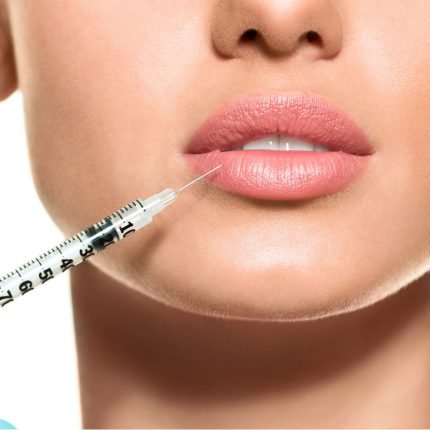
6- How to inject plasma into the skin, hair and lips?
7- Cases that are allowed to inject plasma and cases that are not allowed to inject plasma
8- How to use the centrifuge device to separate the plasma and the different types of tubes that affect the quality of the plasma
9- The difference between plasma, plasma extra, stem cell plasma and plasma filler
10- Types and methods of mesotherapy injections to treat skin problems (digging – scars – pigmentation – grain traces – skin tightening, treating wrinkles and fine lines – supplying lips) and how to make its combinations in scientific proportions to achieve the best results
11- Types and how to inject hair mesotherapy to treat hair loss, voids, genetic baldness and alopecia, and how to make their combinations in scientific proportions studied like professionals.
12- Types and how to inject local fat injection mesotherapy to remove fat from the abdomen, buttocks, back and tongue.
13- How to inject the Organic Silka Mesotherapy for the treatment of stretch marks and stretch marks and to tighten the sagging of the body.
14- The difference between mesotherapy, mesotherapy supported by GHF, mesotherapy supported by stem cells, mesotherapy, mesotherapy and the methods of applying them professionally.
15- Cases that are allowed to inject mesotherapy and cases that are not allowed to inject mesotherapy and the diamond type for each.
16- How to use the Dermapen device in mesotherapy and plasma applications.
17- What is a placenta? The difference between them, stem cells and growth factors, and how to apply them correctly.
18- Carbon therapy CO2 and how to use it to create instant freshness in the session with healthy lightening.
17- How to use the mesogen device in mesotherapy and plasma applications.
18 – Department of studying the combinations of professionals and the studied ratios to achieve the best results with the cases.
19 – Instructions we recommend to the patient after the injection.
20- Common mistakes and how to treat them to avoid them.
21- Knowing the most important international brands of mesotherapy and cosmetic therapeutic injection materials in the market.
22- What is peeling?
23- What cases do we resort to treating with peeling?
24-The difference between superficial peeling, cold peeling, chemical peeling, crystal peeling and physical peeling
And the organic peeling
25- Explain how to use each type and use it in the sessions
Detailed explanation of chemical peeling
26-types of amino acids included in peeling formulas
The difference between alpha hydroxy acid and beta hydroxy acid
27- What is salicylic acid, its benefits, and its products in the market
28- What is TCA, its concentrations, Jessner’s solution and phenol, and is it carcinogenic or not?
29- Retinoids and their derivatives, their use and permissible percentages
30- Meso-pilling built into the dermapen sessions
31-Incorporating exfoliating acids into skin-cleansing and hydrafacial sessions
32-Acne pilling and its use for the treatment of grains and the effects of grains
33- Glycolic acid and kojic acid and their role in treating melasma, freckles, milia, pigmentation, grain effects, spots, wrinkles and pores
34- Toast Peeling for professional exfoliation of the back, elbows and knees
35- Cold peeling, its types and how to use it for the face, neck, body and sensitive areas
36- The most important errors and problems that we face in peeling sessions and the way to treat them
37- What is the appropriate routine before and after peeling?
38- Knowing the best peeling brands, the most effective and safe ones
We are always distinguished by our constant keenness on the practical presence of 70% of the number of hours of study with sufficient cases for each trainee so that the study is at the highest level of efficiency, training and professionalism that allows the student to have confidence and excellence in his work after studying in addition to the presence of an educational reference bag for each student to provide him with information with contact And direct follow-up from the lecturer to follow up the student in his work after the diploma through a group of professional support for inquiries and consultations.
Advantages of Attendance
1- The student obtains an accredited certificate from the International Beauty Academy with a code registered on the website for free
2- The possibility of obtaining accredited and documented certificates, governmental and international, in and international ministries of foreign affairs, and any embassy in the world
From our accredited bodies such as:
Texas International College USA
University of Pennsylvania UNI, USA
The Islamic University of Oci, Niger
Welsit College UK
The student can check the certificates through the official link by clicking on the link
3- The student gets a technical support group between the students and the lecturer to answer any questions related to the workshop after the workshop ends
For reservations and inquiries through WhatsApp: <a “href=”https://wa.me/+442081571564”>+442081571564
SignUp Now
Reviews (0)
Reviews
There are no reviews yet.